
Technology

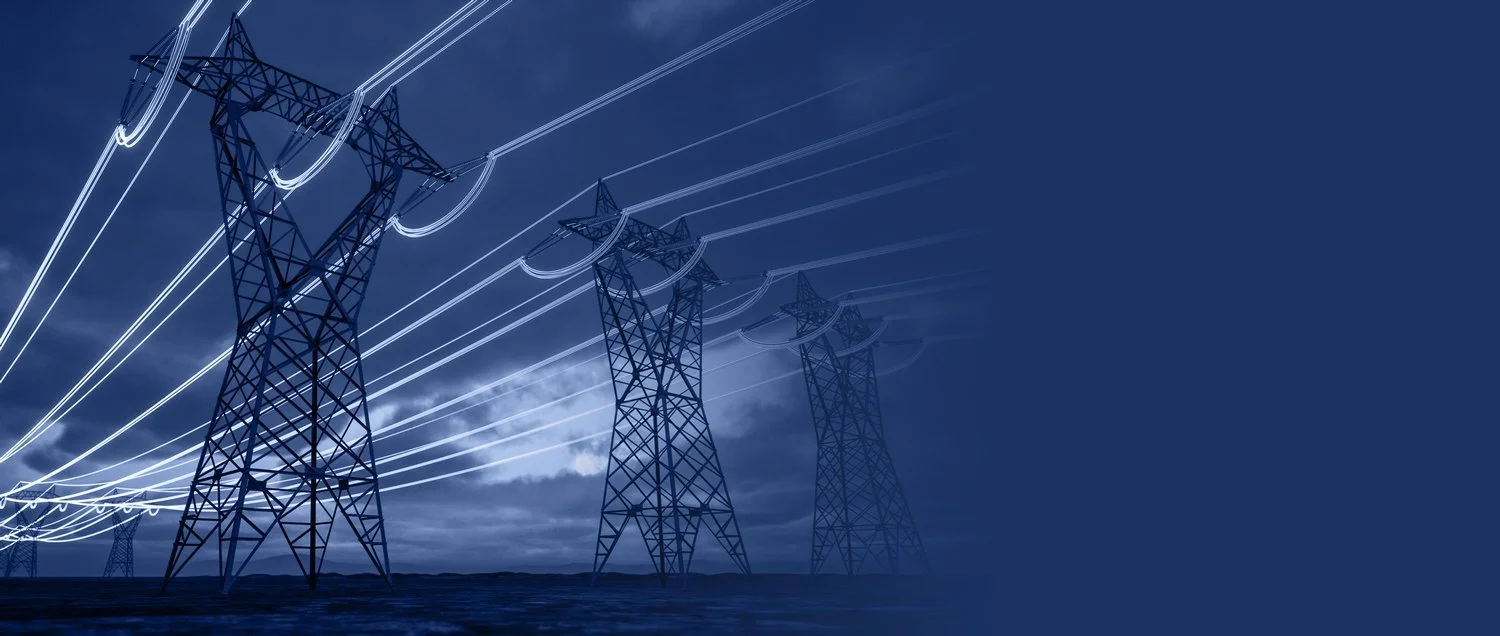
America’s energy future will be built watt by watt. Across the country, solar panels are turning fields into income for landowners. Wind turbines rise across open landscapes, generating revenue and jobs in local communities. Behind the scenes, battery storage is balancing supply and demand—preventing outages and making the grid more reliable.
Next-generation nuclear brings a new advantage: compact, flexible reactors delivering steady power wherever it’s needed most. From busy industrial hubs to the most remote regions, no American should be left in the dark. We must use every technology, strengthen it with American engineering, and build for long-term reliability.
These solutions aren’t theories. They’re working, they’re local, and they’re already building something better: a stronger grid, a stronger economy, and a more secure energy future for every American.

Solar
Fact: Solar energy supplied nearly 7% of America’s electricity in 2024, with both utility-scale projects and rooftop systems growing at record pace.
Solar at Work: In Galena, Alaska, winters once meant frozen pipes, unreliable heat, and an expensive dependence on diesel fuel shipped in by barge or plane. That reality is changing. A new 1.5-megawatt solar farm now delivers steady power, creates local jobs, and keeps energy dollars in the community. On clear days, the system provides all of Galena’s electricity needs, with batteries storing the extra for later. The shift is cutting fuel costs, strengthening reliability, and giving residents confidence that their homes will stay warm.
A Galena city official put it simply: “We used to rely almost entirely on diesel fuel flown or shipped in, which was expensive and unreliable. Now we’re building our own clean, affordable power system that we control” (Associated Press, 2024).
This isn’t an isolated success story. Across the country, solar projects are powering homes, farms, schools, and businesses. Solar is lowering costs, creating jobs, and making communities more resilient. Clean energy isn’t a far-off promise. It’s already reshaping America’s energy landscape.

Wind
Fact: Wind power generated about 10% of all U.S. utility-scale electricity in 2023 and nearly half of the nation’s renewable output, according to the U.S. Energy Information Administration.
At Work: In northwestern Ohio, the Blue Creek Wind Farm has been producing clean electricity for more than a decade. Its turbines generate enough energy to power tens of thousands of homes each year while providing a steady stream of revenue to local communities. Landowners collectively receive close to $2 million annually in lease payments, and schools in Van Wert and Paulding counties have benefited from additional tax revenue and community investment.
Former State Senator Cliff Hite (R-Findlay) summed up the project’s value: “Harnessing the natural resources available in our area has attracted good jobs, produced local economic benefits, and given us energy security. This wind farm is further proof that Ohioans benefit when we work to attract new investment in our rural communities” (Associated Press).
Battery
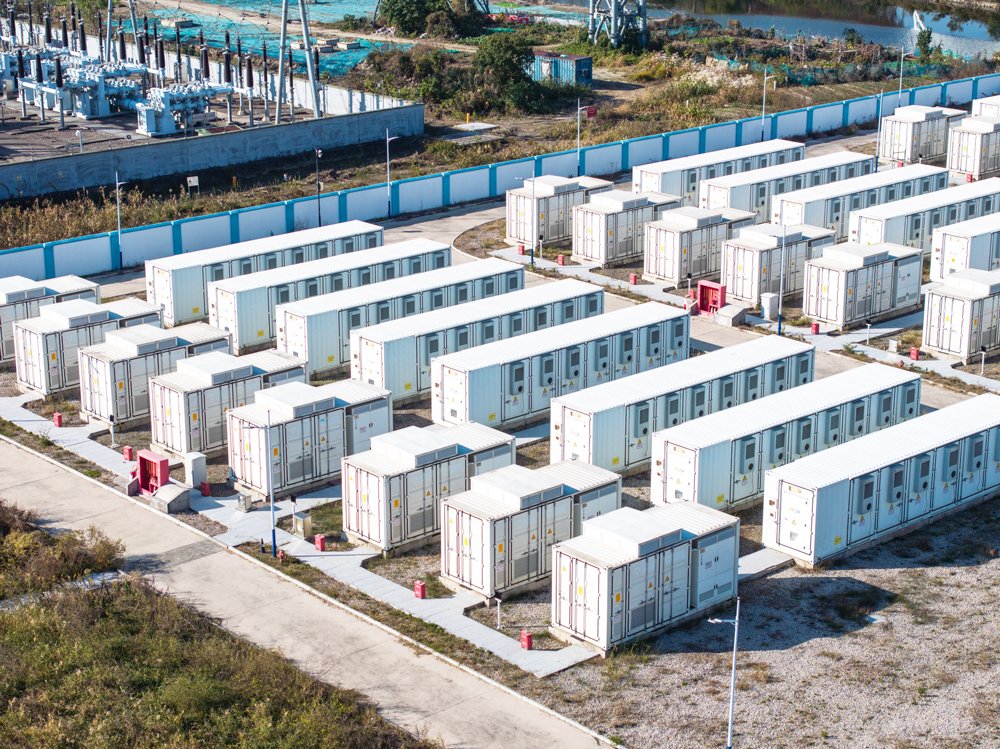
Fact: Battery storage is emerging as a backbone to America’s energy foundation. These systems store surplus electricity when demand is low and release it when demand rises, helping the grid stay reliable and enabling more renewable power to flow.
At Work: In California, the Moss Landing Energy Storage Facility is one of the largest battery installations in the world. Its vast network of lithium-ion cells captures extra solar and wind energy during the day and delivers it back to the grid in the evening when demand peaks. The site can power hundreds of thousands of homes for several hours at a time, reducing the need for fossil-fuel backup and helping prevent blackouts during extreme weather or high-use periods.
Battery systems are more than backup. They make clean energy dependable, support local infrastructure investment, and give communities a reliable grid.
Next Gen-Nuclear
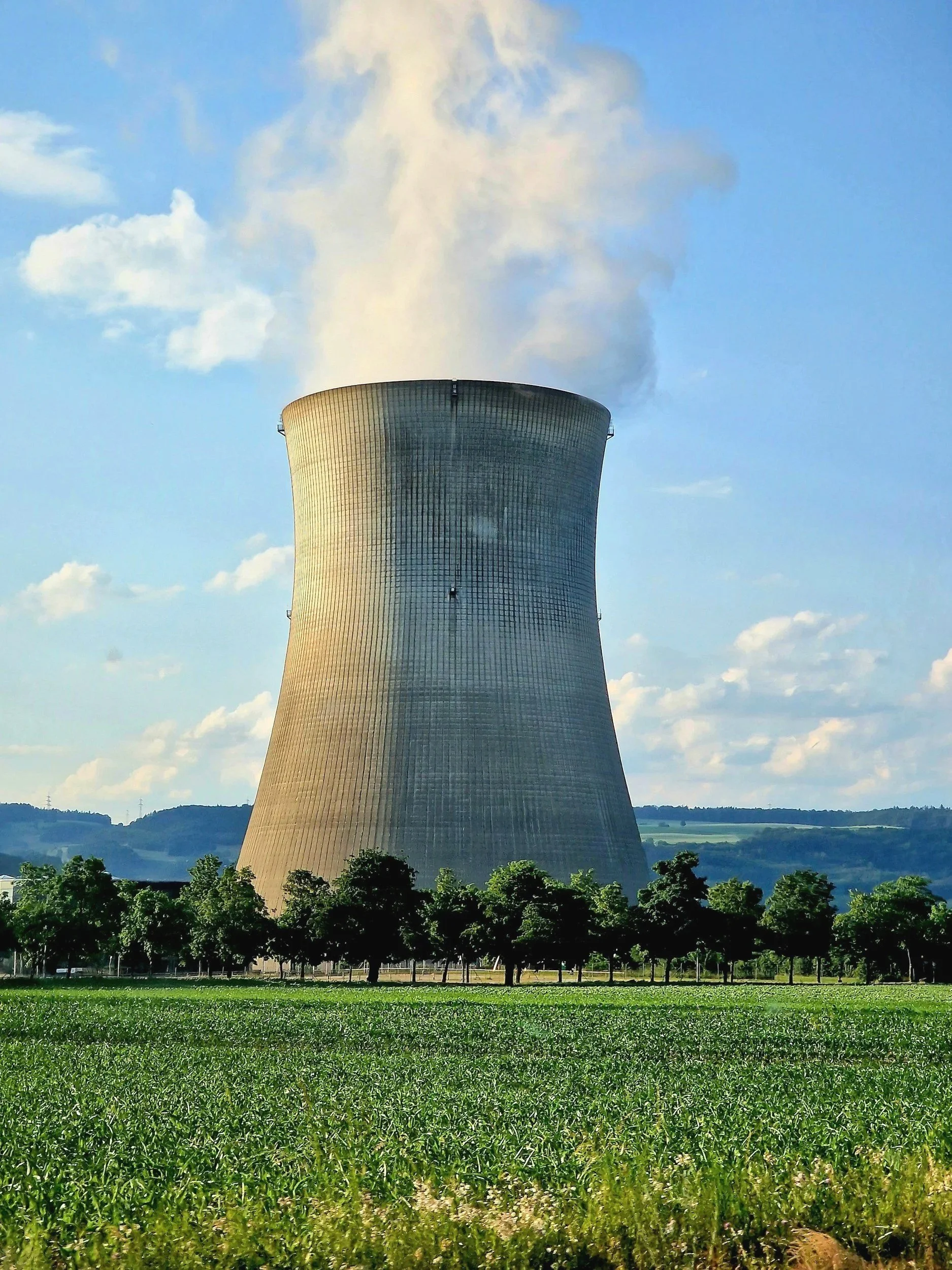
Fact: The next wave of nuclear technology is designed to be smaller, safer, and more adaptable. Modular reactors provide steady, zero carbon energy with modern safety systems and produce less waste than traditional plants.
At Work: In Idaho, a first of its kind project is setting the stage for this new generation of power. A coalition of public utilities is partnering with federal and private innovators to develop a small modular reactor that will supply reliable clean energy across several western states. The effort marks an important step toward scalable, carbon free baseload power that complements renewable sources and supports growing regional demand.
Next generation nuclear power is not about building bigger. It is about building smarter. These reactors can strengthen industrial centers, stabilize rural grids, and keep essential services running when other energy sources fall short. Working alongside renewables, advanced nuclear technology adds reliability and resilience.
Advance Fuels
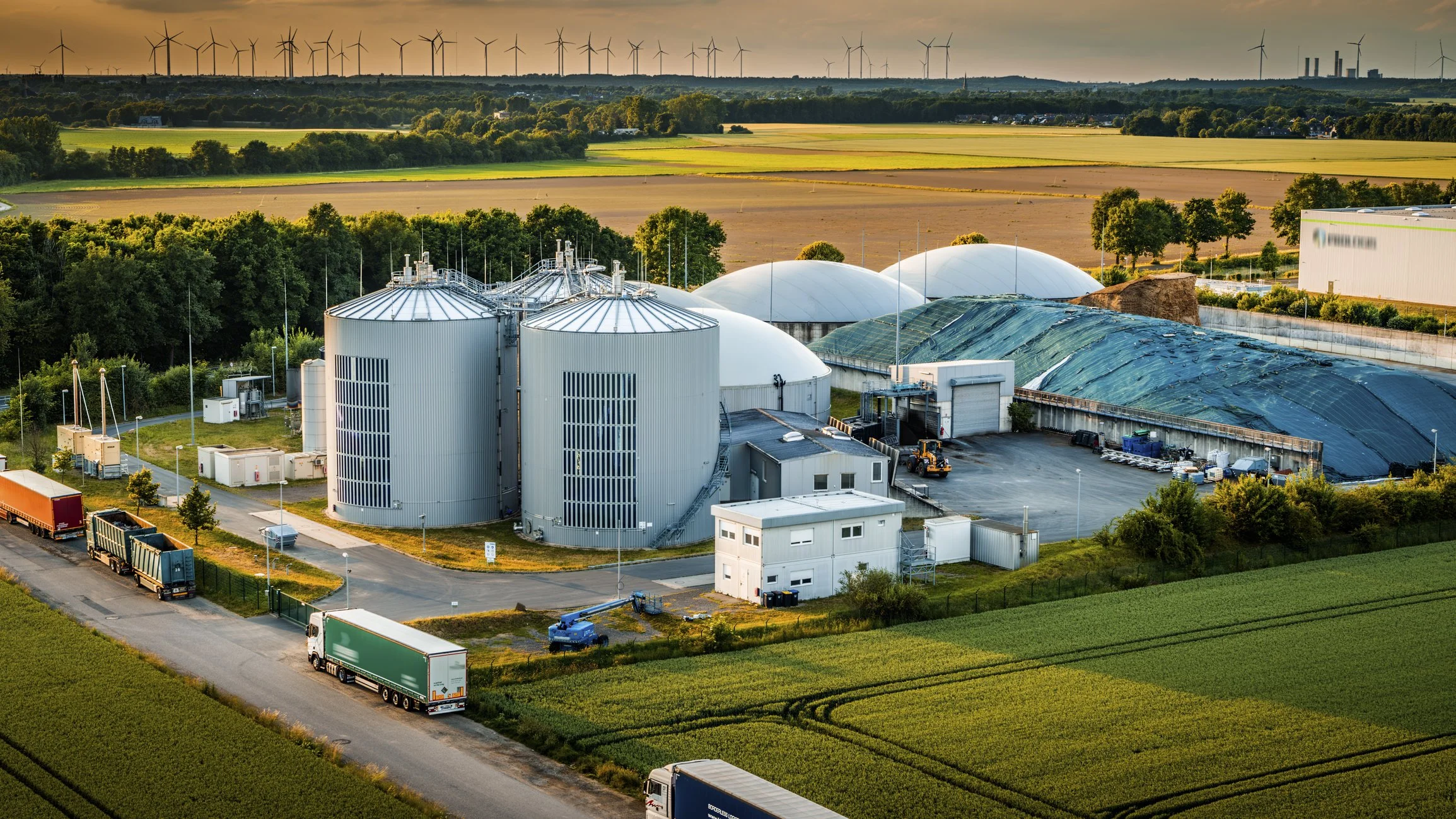
Fact: More efficient fuels are reshaping how America powers its economy. From renewable natural gas to hydrogen and sustainable biofuels, new fuel technologies are reducing emissions and extending the life of existing energy infrastructure. These innovations allow industries and communities to transition toward a lower-carbon future without losing reliability.
At Work: Across the Midwest and Gulf Coast, research facilities and private companies are producing low-carbon fuels from agricultural waste, captured carbon, and renewable electricity. In Texas, hydrogen blending projects are testing ways to deliver clean fuel through existing pipelines. In Iowa and Illinois, biorefineries are turning crop residue into advanced ethanol and aviation fuel. Each step brings us closer to stronger economies, and new markets for American innovation.
Advanced fuels are not a single solution but part of a growing mix that makes the entire system more resilient. With continued investment and collaboration, advanced fuels can contribute to America’s energy stability.
Sources
Enel Green Power, "All the Advantages of Solar Energy," accessed June 29, 2025, https://www.enelgreenpower.com/learning-hub/renewable-energies/solar-energy/advantages-solar-energy.
Karla Pineda, "In Rural Alaska, a Village Turns to Solar and Biomass Energies to Cut Diesel and Save Money," Associated Press, June 18, 2025, https://apnews.com/article/alaska-village-renewable-energy-cut-diesel-costs-259d34bf4d4af16324b606579822ba51.
U.S. Department of Energy, Wind Energy's Economic Impacts to Communities, WINDExchange, accessed June 29, 2025, https://windexchange.energy.gov/projects/economic-impacts.
U.S. Energy Information Administration, Electricity in the U.S., https://www.eia.gov/energyexplained/electricity/electricity-in-the-us.php (accessed June 29, 2025).
Avangrid, "Blue Creek Wind Farm Pays Another $2.7M to Van Wert and Paulding Schools and Community," October 31, 2019, https://www.avangrid.com/w/blue-creek-wind-farm-pays-another-27m-to-van-wert-and-paulding-schools-and-community.
U.S. Energy Information Administration. “U.S. battery capacity increased 66% in 2024.” March 18, 2025. https://www.eia.gov/todayinenergy/detail.php?id=64705
Center for Sustainable Systems, University of Michigan. “U.S. Grid Energy Storage Factsheet.” April 2025. https://css.umich.edu/publications/factsheets/energy/us-grid-energy-storage-factsheet
NS Energy. “Moss Landing Battery Storage Project, California, US.” September 28, 2021. https://www.nsenergybusiness.com/projects/moss-landing/
Power Engineering. “Latest expansion of Moss Landing BESS project completed.” August 1, 2023. https://www.power-eng.com/energy-storage/batteries/latest-expansion-of-moss-landing-bess-project-completed/
U.S. Department of Energy / Idaho National Laboratory. “Battery Energy Storage Systems Report.” November 1, 2024. https://www.energy.gov/sites/default/files/2025-01/BESSIE_supply-chain-battery-report_111124_OPENRELEASE_SJ_1.pdf
U.S. Department of Energy, Office of Nuclear Energy. “3 Advanced Reactor Systems to Watch by 2030.” January 23, 2024. https://www.energy.gov/ne/articles/3-advanced-reactor-systems-watch-2030
U.S. Department of Energy, Office of Nuclear Energy. “Small Modular Reactors.” Updated April 2025. https://www.energy.gov/ne/small-modular-nuclear-reactors
NuScale Power. “Carbon Free Power Project.” Accessed June 29, 2025. https://www.nuscalepower.com/projects/carbon-free-power-project
International Atomic Energy Agency. “Advances in Small Modular Reactor Technology Developments, 2024 Edition.” https://www.iaea.org/publications/15344/advances-in-small-modular-reactor-technology-developments-2024-edition
World Nuclear Association. “Small Nuclear Power Reactors.” Updated May 2025. https://world-nuclear.org/information-library/nuclear-fuel-cycle/nuclear-power-reactors/small-nuclear-power-reactors.aspx
U.S. Department of Energy, Office of Energy Efficiency & Renewable Energy. “Bioenergy Basics.” Updated April 2025. https://www.energy.gov/eere/bioenergy/bioenergy-basics
U.S. Department of Energy, Office of Fossil Energy & Carbon Management. “Hydrogen Program Plan.” 2023. https://www.energy.gov/fecm/hydrogen-program-plan
U.S. Department of Energy, Bioenergy Technologies Office. “Sustainable Aviation Fuel Grand Challenge Roadmap.”September 2023. https://www.energy.gov/eere/bioenergy/sustainable-aviation-fuel-grand-challenge-roadmap
Argonne National Laboratory. “Renewable Natural Gas and Hydrogen: Pathways to Decarbonize Transportation.” April 2025. https://www.anl.gov/es/renewable-natural-gas-and-hydrogen
National Renewable Energy Laboratory. “Hydrogen Blending in Natural Gas Pipelines: Review and Status.” March 2024. https://www.nrel.gov/docs/fy24osti/87126.pdf